Spam call scams, a growing concern in Framingham, Massachusetts, require proactive measures to protect residents. Key strategies include registering for the National Do Not Call Registry, installing reputable call-blocking apps like CallShield or TrueCall, and educating oneself about common scams. Documenting incidents, reporting spam through FTC tools, and adjusting privacy settings further enhance security. Utilizing AI-driven security suites and regularly reviewing call history offers added protection against evolving scams, enabling residents to stop spam calls Massachusetts naturally.
Spam call scams are a prevalent and insidious issue affecting residents across Massachusetts, particularly in bustling cities like Framingham. With an ever-evolving landscape of telemarketing tactics, understanding these deceptive practices is crucial to protecting oneself from financial loss and identity theft. This comprehensive guide aims to shed light on the complex world of spam calls, providing practical strategies to identify and mitigate these scams. By exploring the latest techniques and offering actionable steps, we empower Framingham folks with the knowledge needed to navigate this modern challenge. Learn how to stop spam calls Massachusetts-style, ensuring your peace of mind in an increasingly digital age.
Identifying Spam Calls in Framingham, Massachusetts

In Framingham, Massachusetts, as in many parts of the country, spam call scams have become a persistent nuisance. These unwanted calls often originate from automated systems or malicious actors aiming to steal personal information or money. Identifying these calls is the first line of defense for residents looking to protect themselves. The most obvious sign is the absence of an identifiable caller ID, which is a common tactic used by spammers to avoid detection. Additionally, sudden bursts of similar calls from unknown numbers within a short period are red flags.
Spam calls often mimic legitimate business or government communications, claiming urgent action is required on the part of the receiver. For instance, calls pretending to be from tax authorities, banking institutions, or even healthcare providers asking for sensitive information should raise suspicion. Another common ploy is the use of localized numbers; spammers may use local area codes to make their calls appear more convincing, but close inspection reveals them as fake. Massachusetts residents are advised to check the caller ID thoroughly before answering any such calls.
To stop spam calls in Massachusetts naturally, several practical steps can be taken. Firstly, register for the National Do Not Call Registry to reduce the volume of unsolicited calls. Secondly, install reputable call-blocking apps or hardware designed to detect and block spam calls. Many devices now come with built-in features to identify and prevent these nuisance calls. Residents should also educate themselves about common scams by staying informed through local news and official government websites, which can help in identifying potential threats. Regularly updating privacy settings on phones and online accounts is another crucial step in mitigating the impact of spam call scams.
Protecting Your Phone: Tools to Stop Spam

In Framingham, as across Massachusetts, spam call scams have become increasingly sophisticated, posing a significant threat to personal privacy and security. While it’s challenging to completely eradicate these unwanted calls, individuals can fortify their defenses using a combination of technological tools and best practices. One effective strategy is to employ robust call-blocking applications that leverage advanced AI algorithms to identify and block spam callers in real time. Apps like CallShield or TrueCall offer sophisticated filtering systems that analyze caller patterns, known spam numbers, and user feedback to enhance accuracy over time.
Additionally, leveraging official government resources can significantly aid in How to Stop Spam Calls Massachusetts. The Federal Trade Commission (FTC) provides extensive guidance on blocking unwanted calls, including tips for installing approved call-blocking apps and registering your number on the National Do Not Call Registry. By enrolling, you grant yourself greater control over incoming calls and reduce the likelihood of being targeted by spammers. It’s crucial to keep these tools and features updated regularly to stay ahead of evolving scammer tactics.
For enhanced security, consider integrating a robust phone security suite that includes anti-malware protection and call tracking. Solutions like Norton LifeLock or McAfee Mobile Security not only safeguard your device from malicious software but also offer call history analysis to help identify suspicious activities. Regularly reviewing this data can alert you to potential spamming attempts, allowing for swift action. By adopting these multi-layered defense mechanisms, Framingham residents can significantly mitigate the risk of falling victim to spam call scams and enjoy greater peace of mind in an increasingly digital age.
How to Report and Prevent Future Spam Calls
Spam call scams are a persistent issue, particularly in densely populated areas like Framingham, Massachusetts. To combat this, understanding how to report and prevent these calls is paramount. When faced with a spam call, the first step is to document the incident. Note down the caller’s phone number, the time and date of the call, and any specific messages or demands made by the caller. This information can be crucial in tracking and prosecuting scammers.
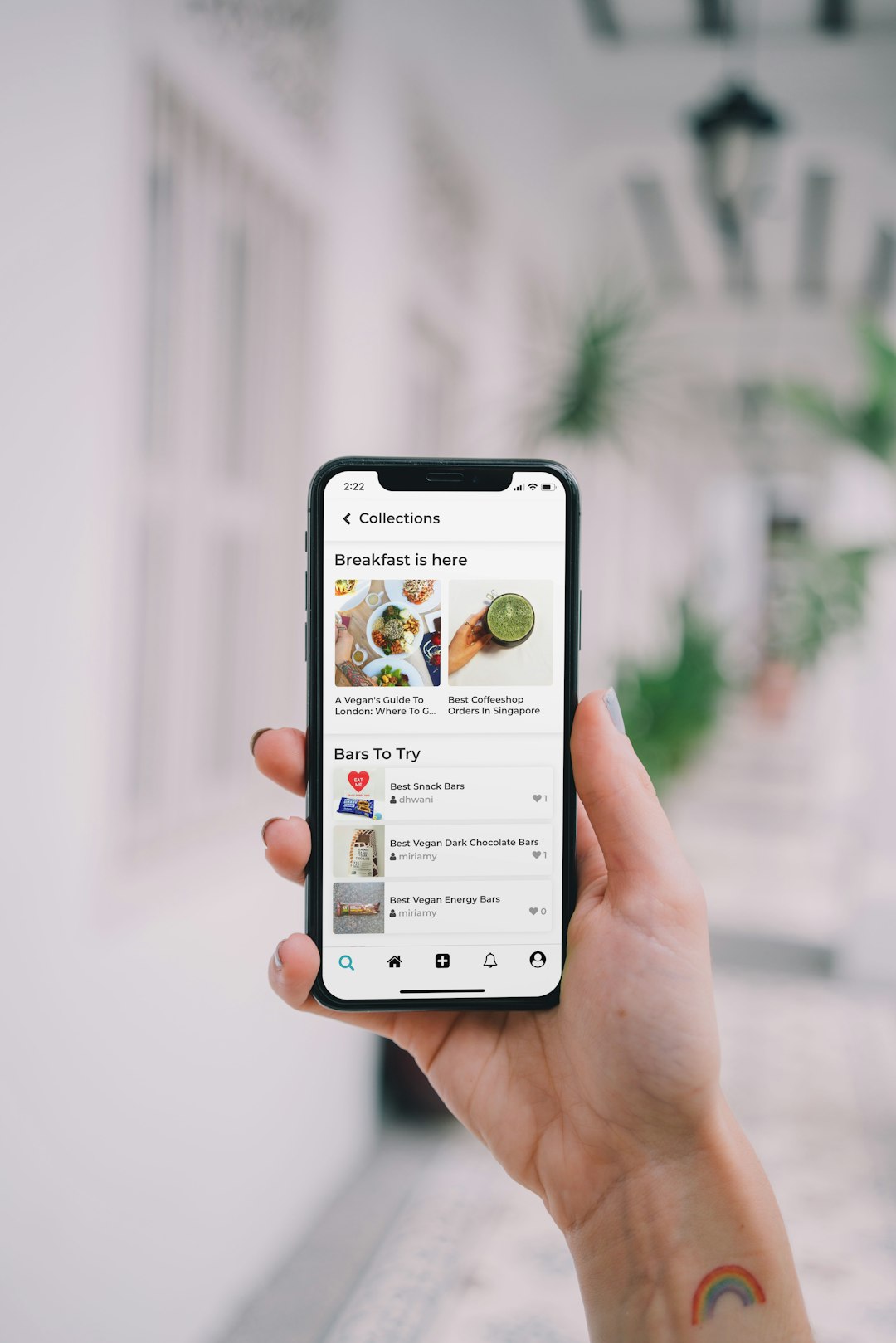
Reporting spam calls is straightforward but requires proactive engagement. Most smartphone operating systems have built-in tools for blocking numbers and reporting spam. For instance, Apple users can block a number directly from their Settings, while Android users can utilize apps like Google’s Call Screen or third-party blockers like Hiya. Additionally, the Federal Trade Commission (FTC) offers a simple online form to report spam calls, which aids in aggregating data and identifying trends.
Preventing future spam calls involves a multi-faceted approach. Implementing robust privacy settings on your devices is a good starting point. Restricting access to your contact list and location data makes it harder for scammers to target you. Using call screening services or installing reputable apps that block known spam numbers can also significantly reduce unwanted calls. Educating yourself and others about the latest scamming tactics, as shared by organizations like the FTC or local law enforcement, is another effective strategy. By staying informed, you can recognize suspicious activities and take appropriate action to protect against spam call scams in Massachusetts.